



Guidance on applying for a project
Why do a PhD with us?
The Materials 4.0 Centre for Doctoral Training (CDT) offers a cutting-edge training programme in digital materials skills as part of a supportive and diverse national cohort of postgraduate researchers.
Key benefits include:
- Access to the fabrication, characterisation, and testing facilities and expertise across the seven Royce partners in the centre
- Work on projects with industrial collaborators, who sponsor and co-supervise most projects
- Benefit from flexible and inclusive pathways for study; including part-time and at-work PhD options
- Recieve a fully-funded PhD programme, covering fees, stipend and a research allowance
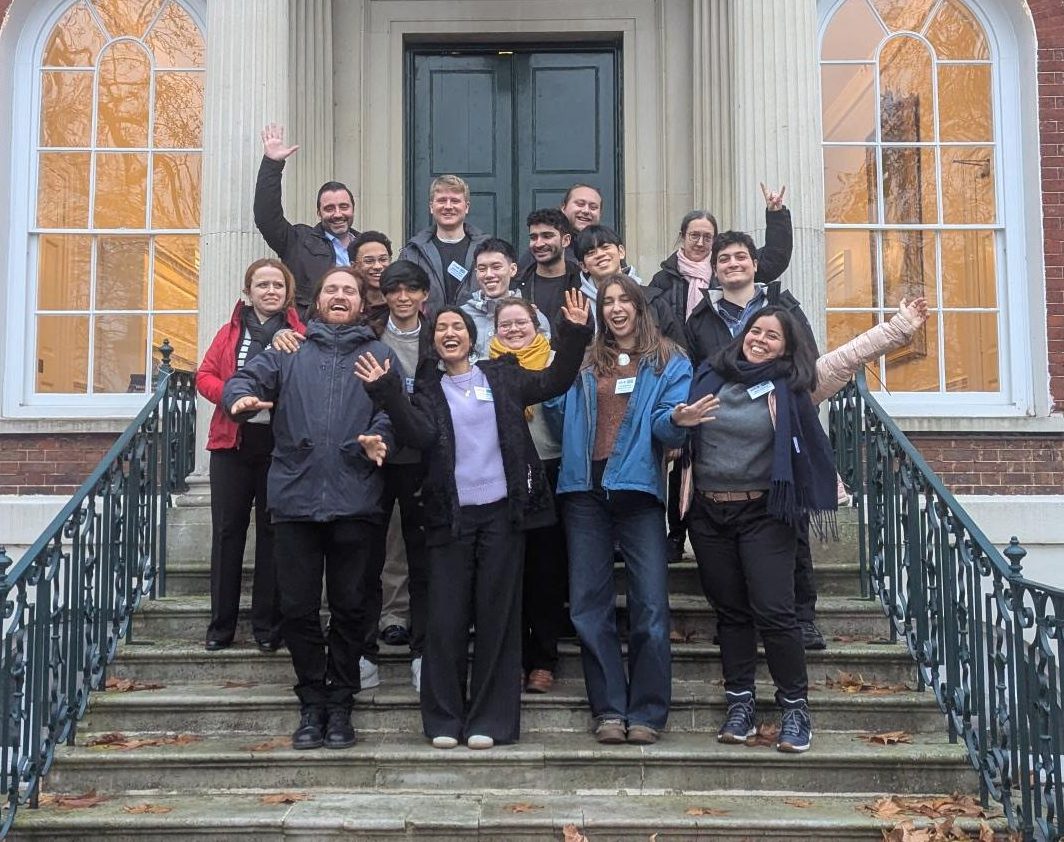
- Participate in cohort-based training with other Materials 4.0 students across the UK
- Develop personal training skills and move from learners to leaders in digital materials
Where will I do my PhD?
The Centre has seven university partners:
- University of Strathclyde
- University of Leeds
- The University of Manchester
- The University of Sheffield
- University of Cambridge
- University of Oxford
- Imperial College London
The National Physical Laboratory (NPL) is a non-academic partner in the Centre.
Prospective CDT students will apply to a PhD project at one of these university partners through the relevant application portal at that institution. NPL also supports CDT projects, but students will be based at one of the academic partner universities for their studies and gain their PhD from that institution.
What is the level of financial support for a PhD?
All the projects run as part of the Centre are supported by UKRI (the UK government’s science funding agency) and the EPSRC (the division of UKRI that funds engineering and physical science research). This means that every student is funded according to UKRI guidelines and is afforded to specific entitlements during their time as a PhD student. You can find out more about PhD student support from UKRI via their website below, and we encourage you to read it to understand what you benefit from before you apply to a project.
Support for UKRI funded students
For projects starting in the 2026 academic year the UKRI stipend will be:
- £21,805 per year
- £23,805 per year with a London weighting for students at Imperial College London
How do interviews work?
Following each application deadline, shortlisted applicants will be invited to an online interview that should last 20-30 minutes. The panel will include the academic supervisor, a CDT representative (usually the university’s co-Investigator or a member of CDT staff) and other supervisors. Interviews will involve:
- a 5-minute presentation on previous study or work research
- questions from the panel about the presentation
- questions from the panel that will be shared in advance
- these are identical across all Materials 4.0 CDT partners
- a chance for applicants to ask more about the project
The supervisor will then notify the Centre of their chosen candidate and commence the enrolment process at the partner institution. Unsuccessful candidates will be notified of their application outcome. Feedback might be given to unsuccessful candidates at the supervisor’s discretion.
How accessible are projects and what support can I expect?
The Centre is committed to ensuring that the whole programme of academic study, doctoral training, and experimental work is as accessible as it can be in supporting the diverse needs and requirements of participating students. The Centre fully supports taking positive action to address under-representation and disadvantage experienced by students with protected characteristics during application and throughout your studies. This includes:
- ensuring that individual student needs and requirements are considered and acted upon for residential training activities delivered through the Centre.
- ensuring the programme remains aware of and responsive to personal circumstances that might impact attendance (e.g. caring responsibilities)
- ensuring supervisors are knowledgeable of and connected to welfare and accessibility services available at their university.
- ensuring supervisors have considered a range of reasonable adjustments before submitting a project to the Centre
- ensuring supervisors adapt or adjust aspects of the project to meet the needs of the recruited student
The Materials 4.0 CDT is primarily focused on the development of skills and capability in digital materials research. Many projects involve large components of data and computational work, alongside varying levels of laboratory work. Where relevant, supervisors have already considered how aspects of the projects can be changed to accommodate student needs. If you have any concerns or questions please contact us to discuss a specific project of interest and any accommodations that might already be in place.